




営業時間
期間によって営業時間が異なります。
| 期 間 | 切符販売時間 | 営業時間 |
|---|---|---|
| 2月16日~6月30日 | 9:00~17:00 | 9:00~17:30 |
| 7月1日~7月15日 | 9:00~17:30 | 9:00~18:00 |
| 7月16日~9月15日 | 8:30~18:00 | 8:30~18:30 |
| 9月16日~9月30日 | 9:00~17:30 | 9:00~18:00 |
| 10月1日~11月15日 | 9:00~17:00 | 9:00~17:30 |
| 11月16日~2月15日 | 9:00~16:30 | 9:00~17:00 |
※リフト・モノレール発車時間(上り、下り)/点検日などはこちらをご覧ください。
ご利用料金
◆入園料及びリフト・モノレールご利用料金
リフト・モノレール共通往復乗車料金に入園料が含まれます。片道・どちらか一方のみの販売はございません。※乗車券はリフト、モノレール共通の券となっておりますので往復お好きな乗り物にご乗車いただけます。※徒歩及びお車での入園は出来ません。
※お支払いは、現金またはクレジットカード等でのお支払いが可能です。
| 区 分 | 料 金 | 備 考 |
|---|---|---|
| 大 人 | 1,000円 | 中学生以上 |
| 小 人 | 500円 | 小学生 |
| 団 体 | 団体割引(30名以上) 学校割引(20名以上)小学・中学・高校 |
料金の詳細はお問い合わせください |
| 障害者割引 | 大 人 500円 小 人 250円 |
障害者手帳/障害者手帳アプリ [ミライロID]をご提示ください |
※乳幼児について(0才~小学生未満)
大人1人につき、乳幼児1人無料。乳幼児2人目から小人料金を頂きます。
※障害者割引
ご本人様の他に、介護者1名様も半額になります。
◆遊具のご利用料金について
遊具をご利用の際はチケットが必要です。山頂園内の券売機でお買い求め下さい。
各遊具のご利用料金は施設案内ページでご案内しております。
◆遊具の営業時間ついて
切符販売終了1時間前から、順次閉まっていきますのでご了承ください。また、雨天時は中止する遊具がございます。
駐車場について
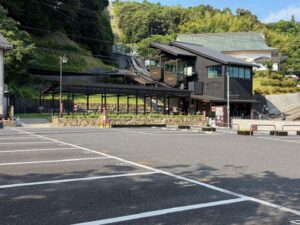
リフト・モノレール山麓駅前に専用の有料駐車場がございます。(現金のみ)※バスは停められません。
または、近隣の各有料駐車場をご利用いただきますようお願い致します。(近隣には徒歩5分圏内にも沢山駐車場がございます)
アクセスページにて近隣駐車場をご案内しております。
天橋立ビューランド駐車場
| 収容台数 | 自家用車27台 バイク10台 自転車24台 |
|---|---|
| 料金 (終日一回) |
車:700円 (現金のみ) バイク:400円 自転車:無料 |
◆その他 周辺駐車場
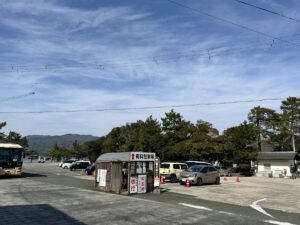
天橋立 智恩寺駐車場
町の中心にある駐車場で、文殊堂のすぐ隣に位置し公 衆トイレもそばにあり文殊堂への観光客・海水浴客には利用価値の高い便利な駐車場。大型バスも利用でき、リフト・モノレール乗り場まで徒歩約5分。
| 収容台数 | 自家用車100台 バス10台 バイク10台 |
|---|---|
| 料金 (終日一回) |
自家用車 700円 バス 1,500円 バイク 400円 |
| お問合せ先 | 0772-22-2574 |
| 公式サイト | https://www.monjudo-chionji.jp/access/ |
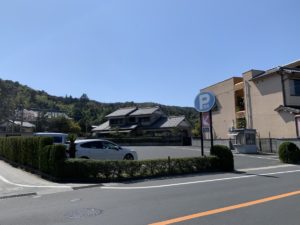
町中の中小のパーキング
文珠の町中に入ると駐車場の看板がところどころ目につきます。本通り以外にも裏通りに入っても小さな駐車場がいくつかあります、中には終日500円のところもありますので、目的に応じて使い分けてください。
リフト、モノレール乗り場まで徒歩5分圏内に駐車場が多くございます。
| 収容台数 | 施設により異なる |
|---|---|
| 料金 | 施設により異なる |
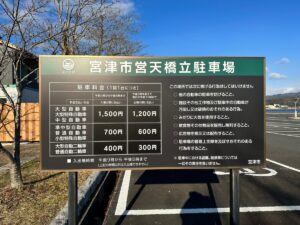
宮津市営天橋立駐車場
中心地の駐車場が満車の場合は、178号線を駅から約500mほど岩滝町よりにある市営駐車場の利用が便利です。バス11台、自家用車約290台収容のた めほとんどの場合OKです。入出場時間は朝9時~17時まで。リフト・モノレール乗り場まで徒歩約8分。
| 収容台数 | 自家用車285台 バス11台 バイク20台 |
|---|---|
| 料金 (終日一回) |
自家用車 700円 バス 1,500円 バイク 400円 |
| お問合せ先 | 0772-22-4179 |
| 公式サイト | https://www.city.miyazu.kyoto.jp/soshiki/9/6686.html |
より詳しい駐車場情報は『アクセスページ』で周辺の駐車場情報をご案内しております。
その他
◆旅行会社さまへ
ご予約・お問い合わせはFAX(メールアドレス必須)をお願いいたします。お問い合わせフォームからもお受けいたしております。またリフト・モノレール運休日についてはリフト・モノレール情報ページより年間運休予定表をご覧下さい。
※リフト点検日はモノレールのみのご乗車となりますので、上り下りともにお待ち時間が非常に長くなる場合がございますのでご了承ください。モノレール点検日は車椅子の方はご乗車頂けません。
パンフレットダウンロードページはこちら
アクセスページはこちら
◆学校関係者・メディア関係者の方へ
学校行事でのご利用、取材・撮影等をご希望の場合はお問い合わせください。⇒お問い合わせフォーム
◆ペットを連れたご来園について
ペットの同伴も可能です。リフトをご利用ください。リフトの運休日をご確認下さい。詳しくはリフト・モノレールページをご確認ください。